
In the Northern Hemisphere the autumnal equinox falls about September 22 or 23, as the Sun crosses the celestial equator going south. In the Southern Hemisphere the equinox occurs on March 20 or 21, when the Sun moves north across the celestial equator.
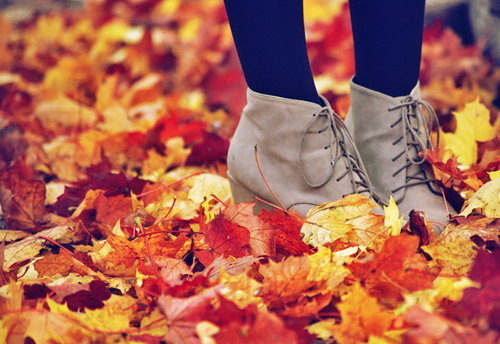
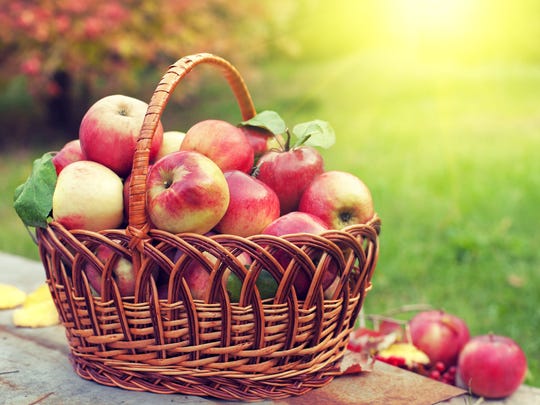
In pagan mythology, the equinox is called Mabon, or Second Harvest. It is a time to give thanks for the summer and to pay tribute to the coming darkness. It is also a time of preparing for Samhain (October 31–November 1), the bigger pagan festival that begins winter. Some rituals for Mabon include building an altar with harvest fruits and vegetables, meditating on balance, gathering and feasting on apples, offering apples to the goddess, sharing food, and counting one’s blessings.
Japan marks the equinoxes—both of them—with a period called Ohigan (sometimes spelled O-higan). The Japanese Buddhist belief is that the land of the afterlife is due west, and during the equinoxes, the sun sets directly west. The equinoxes are also symbolic of the transitions of life. The week around each equinox is Ohigan, a time to visit the graves of one’s ancestors, to spruce up the grave sites, and to leave flowers. It is also a time of meditation and to visit living relatives.
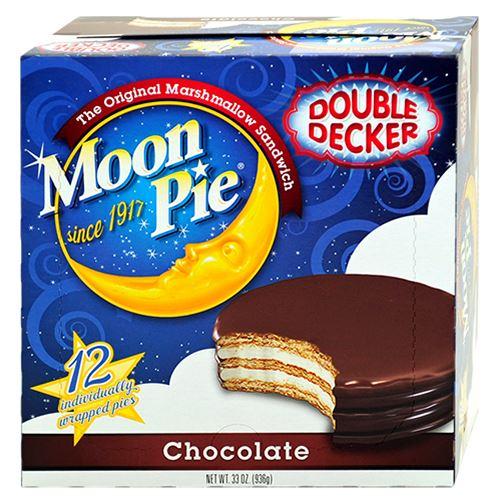
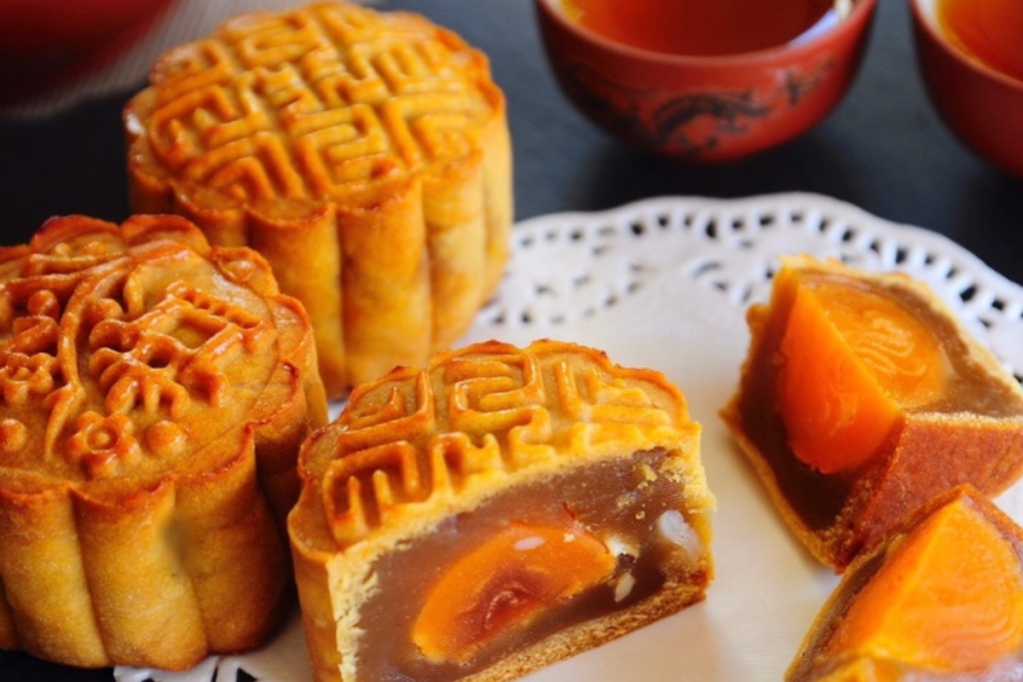
China and Vietnam celebrate the Moon Festival, or Mid-Autumn Festival, which is on the full moon nearest to the equinox. On a lunar calendar, that is the 15th day of the eighth lunar month. It is celebrated with the usual festival activities, plus gazing at the moon and eating moon cakes. In the southern U.S., Moon Pies are often used in place of moon cakes. A similar holiday in Korea is called Chuseok.
Neo-Druids gather at Stonehenge to watch the equinox sunrise. This happens every year, both in spring and fall. As with other pagan groups, the equinox is a time for Druids to offer thanks for a bountiful harvest and prepare for the darkness of winter.
In the West, celebrations surrounding the fall equinox are less about the equinox itself and more about the activities of fall. We have county fairs and festivals, which are scheduled around school calendars and to maximize tourism. We celebrate Halloween all out of proportion to its historic roots, because it’s fun. We decorate with fall colors and harvest fruits for months at a time, and we split our holidays, celebrating the end of summer with Labor Day and giving thanks for a bountiful harvest on Thanksgiving. Together, those are all celebrations of fall.
 Lefevre Chocolate